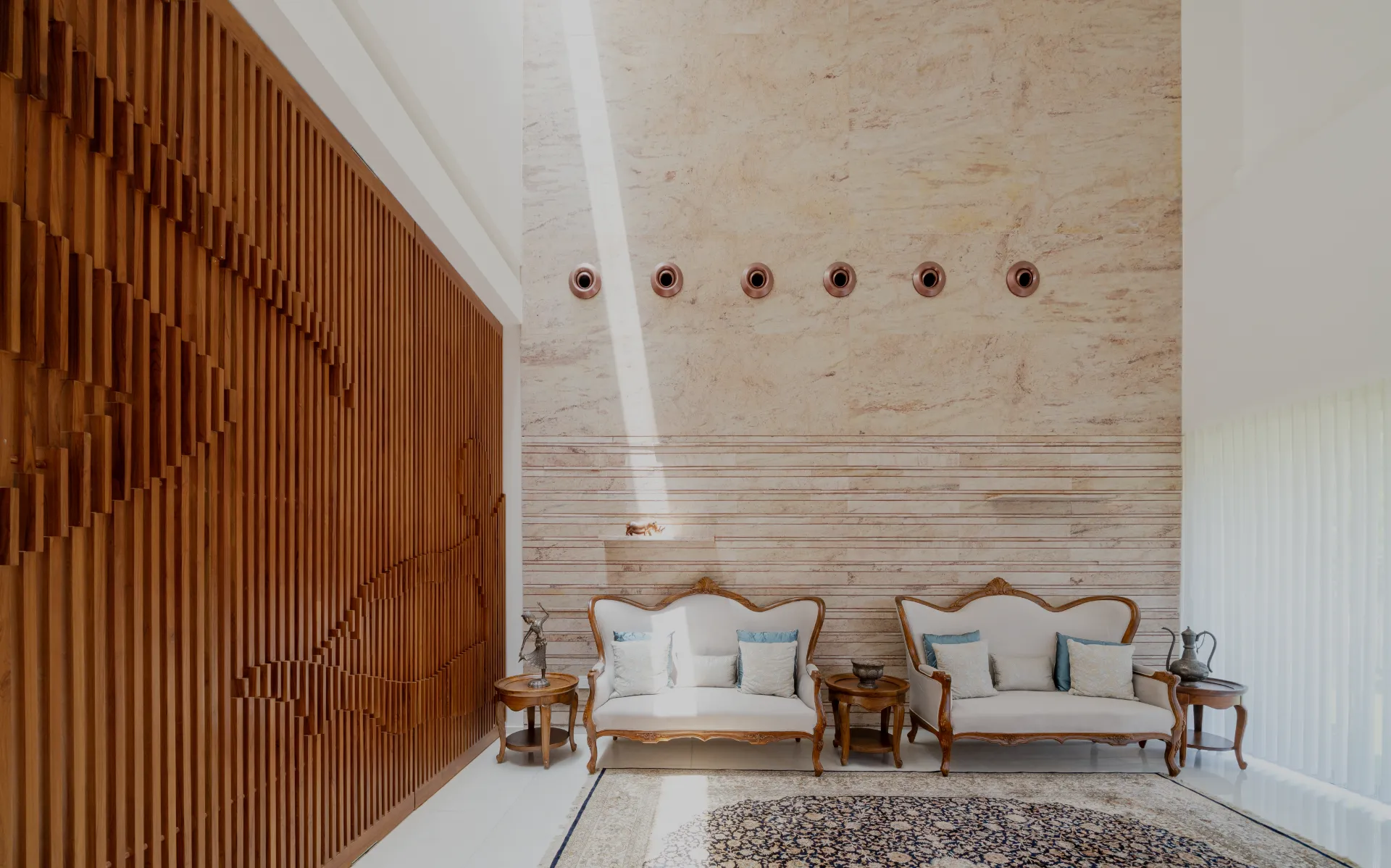
Natural light:
A challenge and an opportunity
“The history of architecture is the history of the struggle for light.” – Le Corbusier
Light is an ephemeral yet crucial ingredient that shapes architecture. It holds the power to drastically change our perception. The identity of a space is often inextricably linked to how it receives natural light, thereby enhancing or diminishing the spatial experience.
Architects can manipulate the apertures in a building to modulate natural light in order to highlight texture, animate the interiors and affect moods. We can best understand the correlation between natural light and architecture through the following five channels.

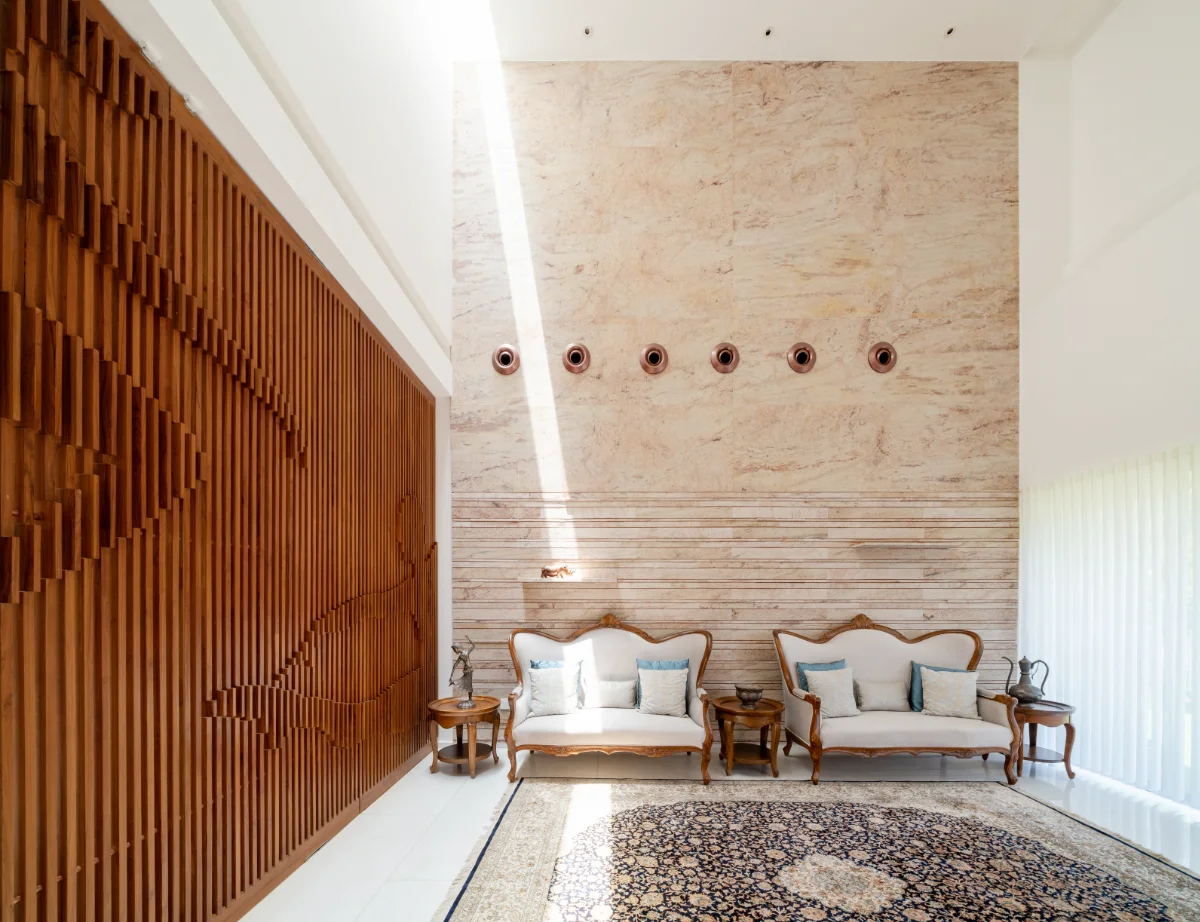
Light Builds Time
The size, direction and positioning of the fenestrations in a building determine when and how we receive ‘solid light’ or direct natural light. The way in which light patterns move within a space is in tune with the time of day, helping us perceive the passage of time.
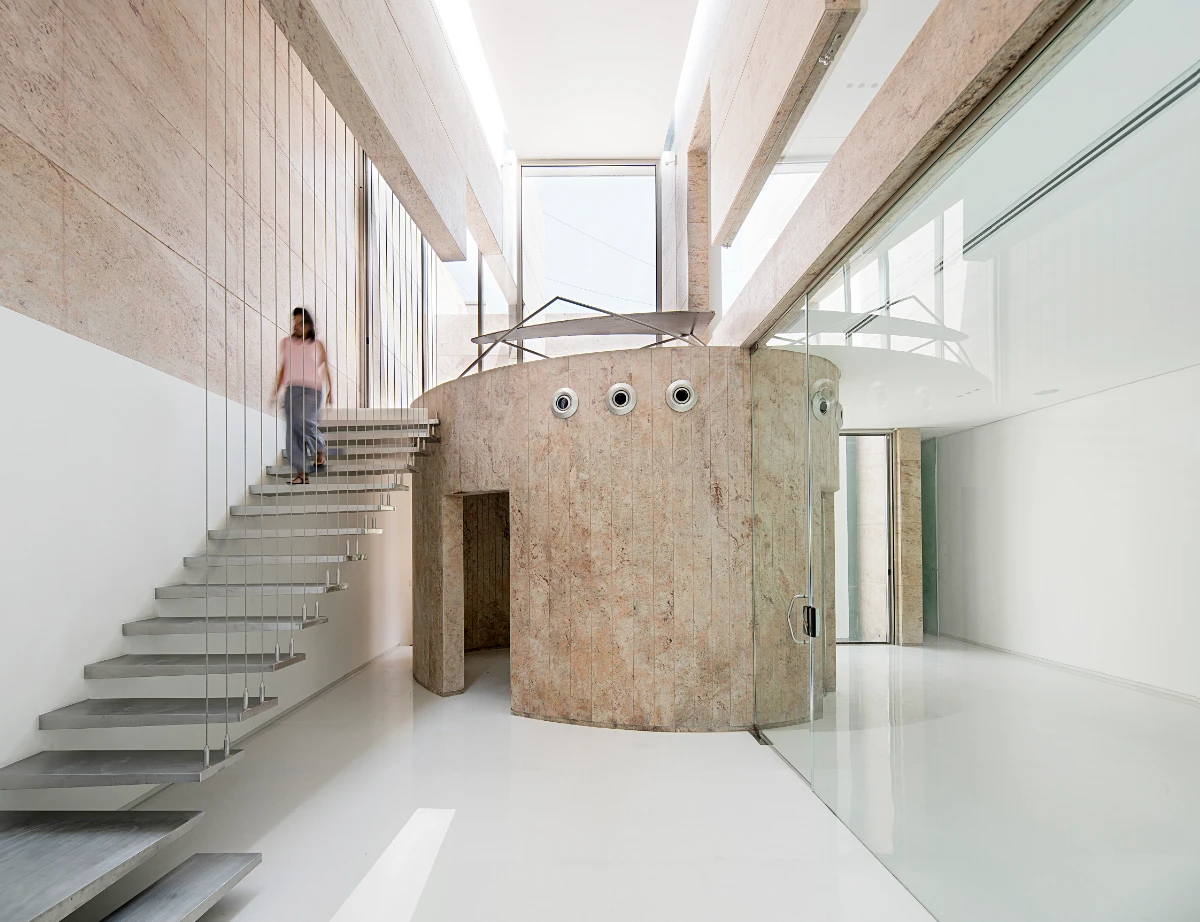
Light Defies Scale
Architecture has a peculiar quality of being perceived differently under varying lighting conditions. Designers can use this to their advantage, as flooding a space with diffused natural light while controlling the inlet of direct light can make it look significantly bigger. Conversely, the absence of light will make the same space seem smaller in scale.
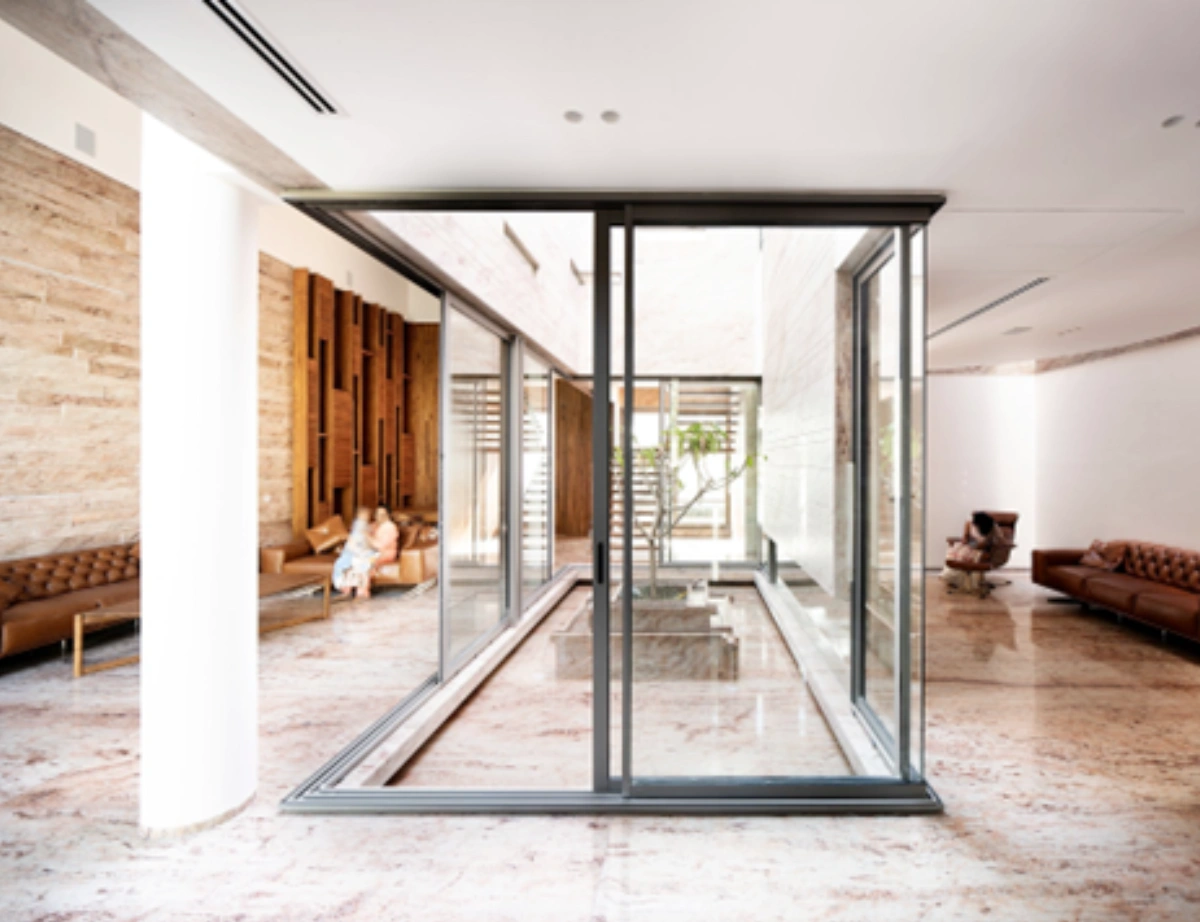
Light Becomes Material
When working with light in architecture, we can mould it to our liking using materials and apertures. However, light itself becomes material in certain cases. A ray of sunlight passing through a crack in the door of a silent, dark room turns into an ethereal curtain as well as a dynamic flooring pattern.
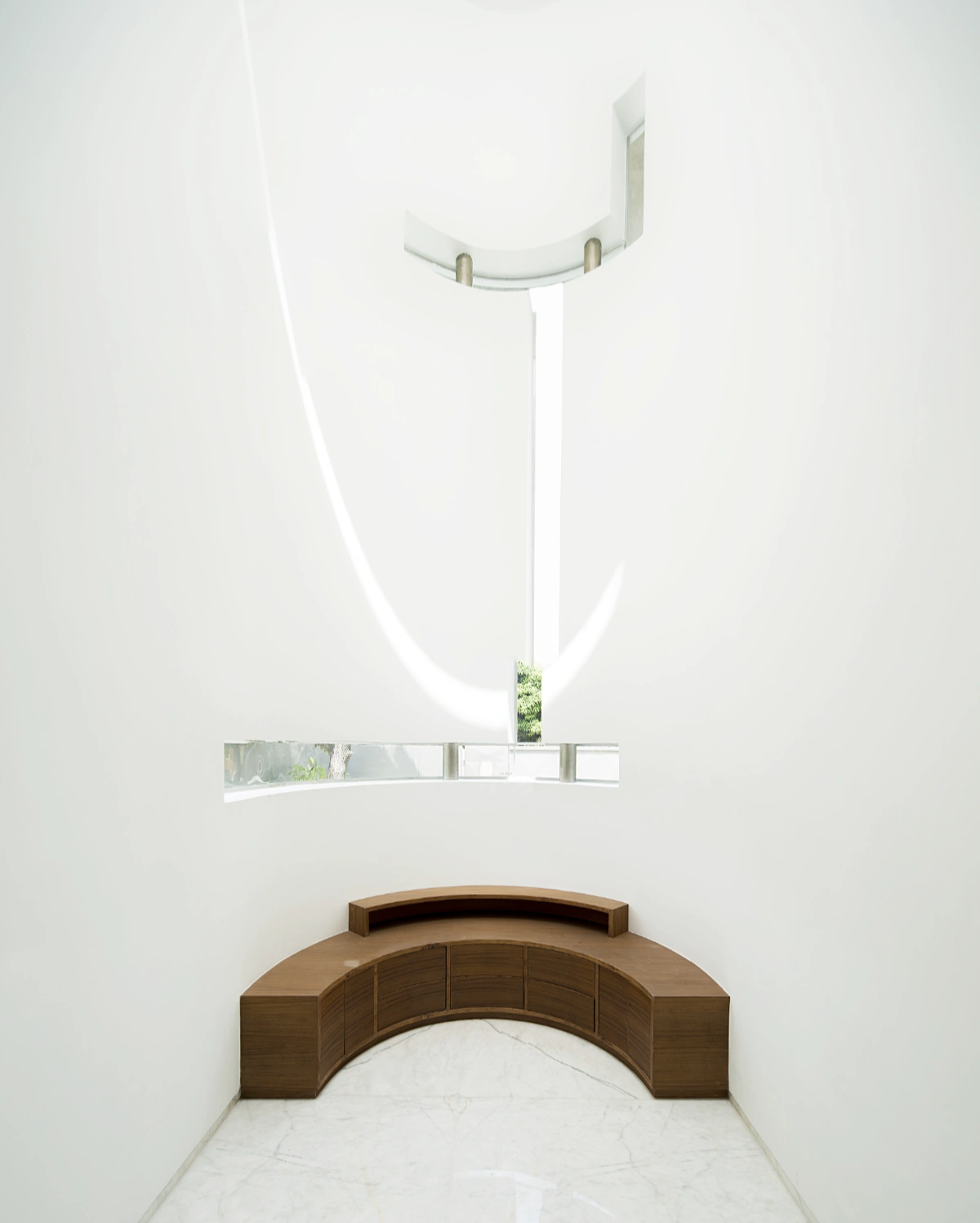
Light Defines Form
The light that falls directly on a curved wall tells us that it is, in fact, curved. Shadows are what tell us that a dome is a dome. How shadows fall on or inside a building can affect our perception of the shape of the built mass.
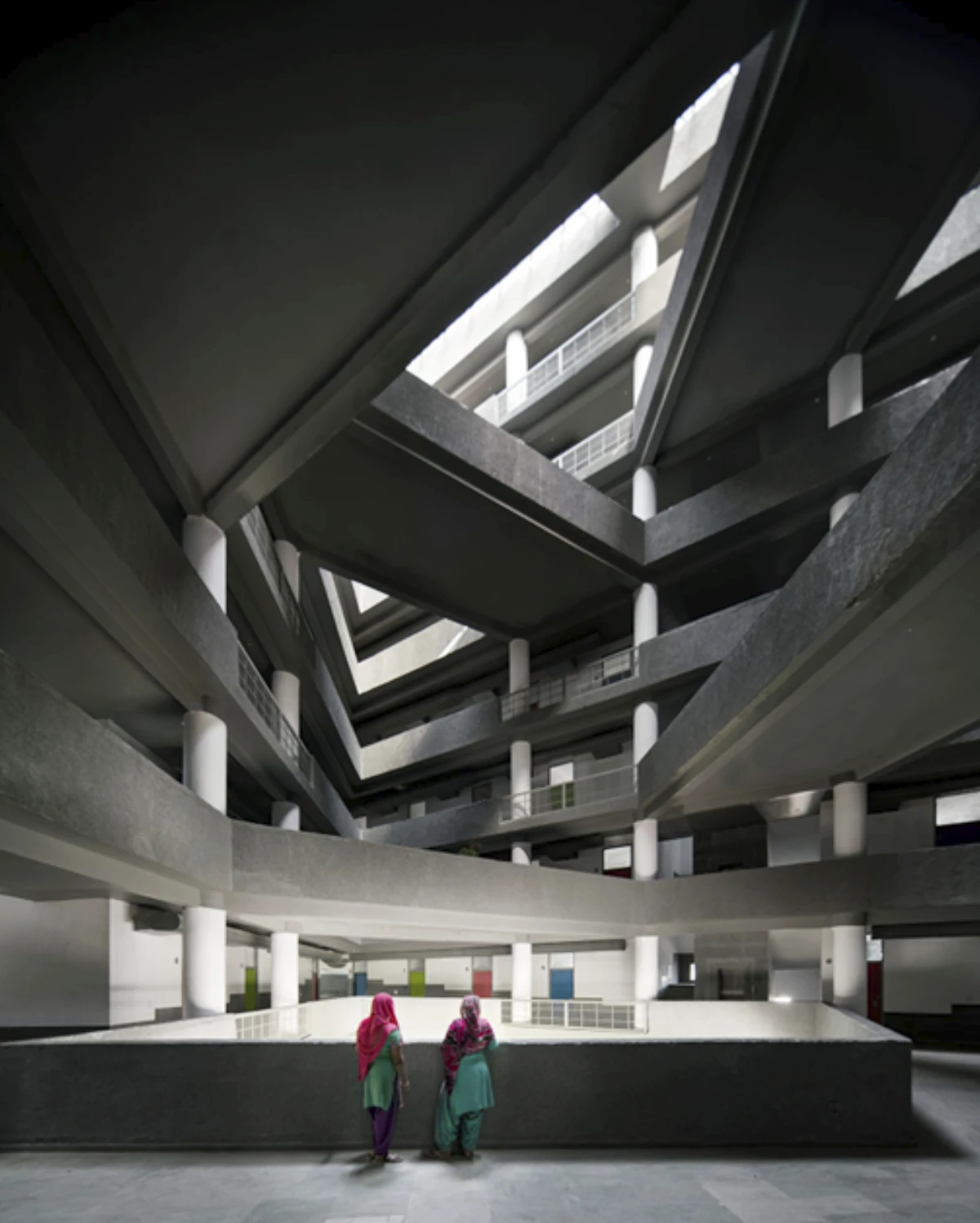
Light Creates Experiences
Our spatial experiences are influenced strongly by the kind of light that is allowed to enter the space. Skylights are an effective tool for designing experiential lighting. Its depth-to-width proportions determine how much indirect light can be received indoors. More solid, direct light will enter if it is too wide and more diffused light will enter if not.
Architects should vary the decision-making for introducing natural light to any space according to the function, the interior materials, and the experience the architect wants to create for its occupants. Whether it is a housing or an institutional project—or it falls in the luxury or affordable category, all of this is ultimately determined by an analysis of light within its context.